Commercial kitchens are fast-paced environments where reliability and safety must go hand in hand. From restaurants and hotels to staff canteens and takeaway kitchens, ensuring that equipment operates safely and consistently is critical for protecting staff, maintaining compliance, and keeping operations running smoothly.
When equipment fails or safety standards slip, the consequences can range from costly downtime to serious injury. That’s why professional maintenance and proper safety systems play such a vital role in modern commercial kitchens.
Why Safety in Commercial Kitchens Matters
Commercial catering environments combine high heat, gas appliances, electrical systems, and heavy equipment — a mixture that demands strict safety standards.
Business owners and facilities managers have a responsibility to ensure that equipment is safe to operate and maintained correctly. Regular inspections, servicing, and compliance checks help prevent accidents while also ensuring businesses meet legal health and safety obligations.
Properly maintained kitchens reduce risks such as:
-
Gas leaks or appliance faults
-
Electrical hazards
-
Equipment malfunctions during service
-
Fire risks caused by faulty systems
-
Unsafe refrigeration or temperature control
Regular maintenance ensures these issues are identified early before they become dangerous.
The Role of Preventative Maintenance
One of the most effective ways to protect staff and equipment is through Planned Preventative Maintenance (PPM).
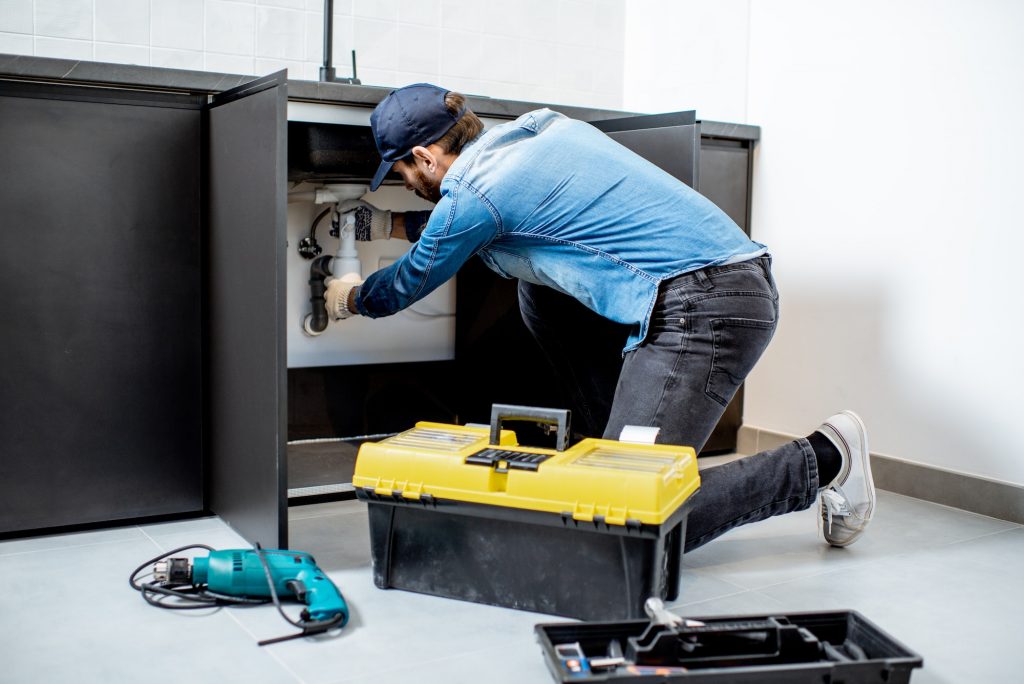
Preventative maintenance acts like a routine health check for your kitchen equipment. Engineers inspect appliances, connections, and components to ensure everything is functioning safely and efficiently.
During a typical maintenance visit, engineers may check:
-
Gas connections and appliance safety
-
Electrical wiring and components
-
Power functionality and connections
-
Door seals and cooling performance on refrigeration units
-
General wear and tear across equipment
By identifying small issues early, businesses can avoid sudden breakdowns and reduce the risk of dangerous faults.
Gas Safety in Commercial Kitchens
Gas equipment is common in many commercial kitchens, from ranges and fryers to grills and ovens. However, gas appliances must be serviced and inspected regularly to ensure safe operation.
Commercial kitchens must ensure their gas appliances are inspected and certified by qualified engineers. Gas Safe registered engineers can carry out annual safety checks and servicing to ensure equipment meets regulatory requirements and operates safely.
Another important safety feature is the gas interlock system. These systems prevent gas appliances from operating unless the ventilation system is running correctly, helping to reduce the risk of dangerous gas build-up or fire hazards.
Electrical Safety and PAT Testing
Electrical safety is just as important as gas safety in a commercial kitchen.
Appliances such as mixers, dishwashers, refrigeration units, and extraction systems rely on electrical power. Over time, cables, plugs, and internal components can wear or develop faults.
Portable Appliance Testing (PAT) is an important part of kitchen safety, allowing qualified engineers to identify electrical faults before they become dangerous to staff or customers.
Routine electrical inspections also ensure that kitchens comply with current UK regulations and safety standards.
Refrigeration Reliability and Food Safety
Refrigeration plays a crucial role in both safety and compliance.
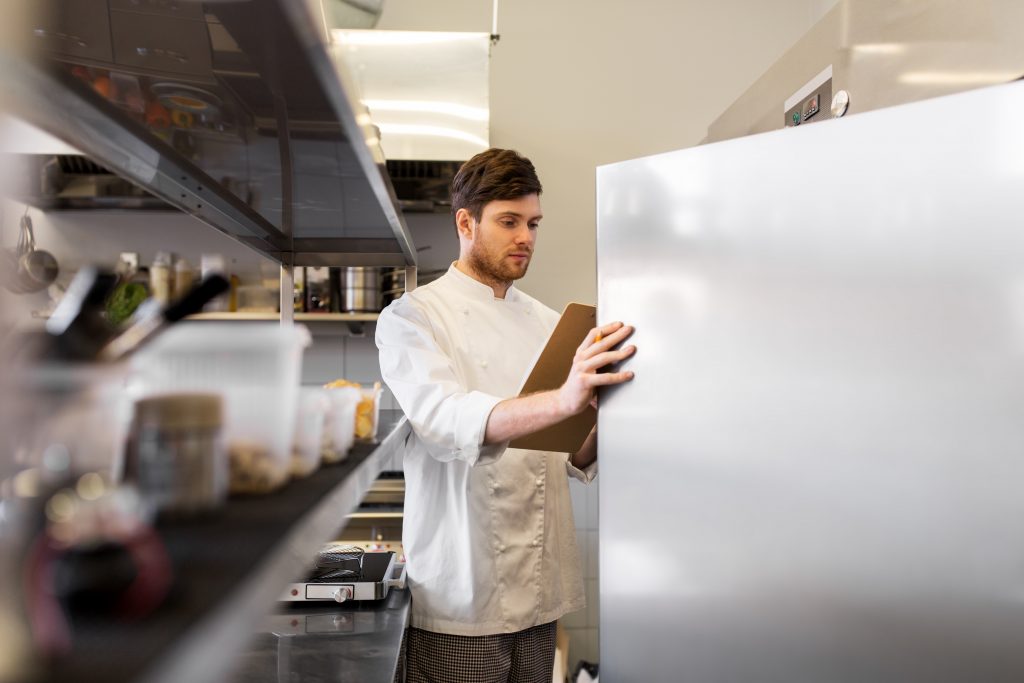
Faulty refrigeration units can lead to unsafe food storage temperatures, potentially causing food spoilage or contamination. Maintaining refrigeration equipment helps ensure food safety standards are met while preventing expensive stock loss.
Regular servicing can detect issues such as failing compressors, damaged door seals, or refrigerant leaks before they affect performance.
Reducing Downtime and Protecting Your Team
Every minute a kitchen is down means lost revenue and disruption to service. Equipment breakdowns during busy periods can also create stressful and unsafe working conditions for staff.
Professional servicing helps minimise downtime by keeping equipment reliable and addressing problems before they escalate.
Companies specialising in catering equipment servicing provide experienced engineers who understand the demands of commercial kitchens and can respond quickly when repairs are needed.
Building a Safer Commercial Kitchen
Creating a safe and reliable kitchen environment involves a combination of proper equipment maintenance, safety systems, and regular inspections.
Businesses can improve safety by:
-
Scheduling regular preventative maintenance
-
Ensuring gas appliances are inspected annually
-
Carrying out electrical inspections and PAT testing
-
Installing gas interlock systems
-
Addressing equipment faults immediately
With the right maintenance strategy, businesses can protect staff, maintain compliance, and ensure their kitchen operates efficiently every day.
Supporting Safe and Reliable Kitchens
Maintaining commercial kitchen equipment is about more than just avoiding breakdowns. It’s about protecting staff, ensuring compliance, and keeping businesses running without disruption.
With over 50 years of combined experience, Solent Facilities provides servicing, repairs, and preventative maintenance for professional catering equipment across the South Coast.
By investing in professional maintenance and safety systems, businesses can create safer kitchens, protect their teams, and maintain reliable operations.